
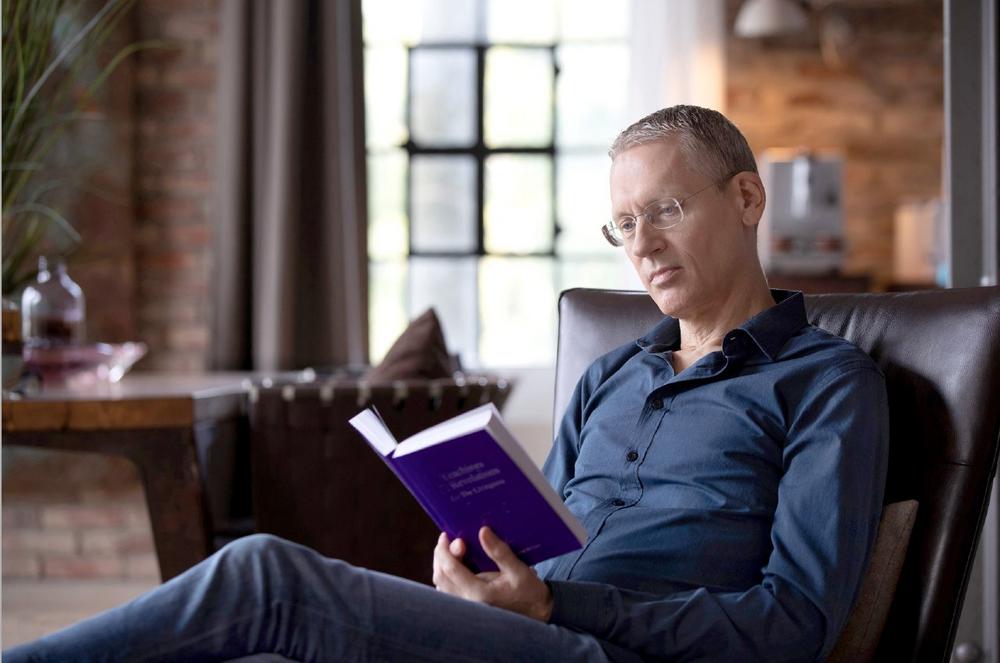
Caused by the outer circumstances of the pandemic, there was a trend toward "cocooning", that means the desire to stay "nested up" at home. This trend is often inspired by the Scandinavian hygge lifestyle, which springs from the desire for a slower pace of life. This higher propensity for "slow living" and for more sustainability continues to this day – coupled with a greater appreciation for our precious nature. An attitude that often goes hand in hand with a preference for natural materials and earthy colors: wood, linen, rattan, and bamboo are currently in vogue. They are combined with soft colors such as terracotta, sage green, sand, or beige, which create a cozy, calming atmosphere.
The natural building material wood in particular remains omnipresent in a wide variety of forms and designs. Initially used in the kitchen, furniture fronts equipped with a grooved structure are now also increasingly found in dining and living areas. The vertical wood slats give cabinets and sideboards a natural look. The slatted look is also a welcome variation in the design of walls and ceilings. When it comes to wood types, oak is still the species of choice. It is currently also used with a rough-sawn surface. Knots and natural cracks in the wood are very much in demand. Reclaimed beech wood with its distinctive, rustic look is quite popular, often with a gray finish. Also, vintage furniture remains highly popular. As a contrast to earthy green tones, pastel colors are experiencing a revival, especially shades of rose and apricot. Upholstered furniture in these colors can be combined well with sand-colored surfaces.
Naturalness is also key when it comes to floor coverings. Colors like gray, beige or "greige", a mixture of both, are very successful. Many building owners and renovators particularly appreciate floor designs where the natural color of the wood is still visible. The sandy color makes the wood floor look fashionably aged – even if it is new. Open-pore surface treatments with oil and wax are particularly trendy. Matte oils – colorless or transparent – can be applied in such a way that the wood looks untreated but still has surface protection. Designers are even experimenting with anthracite and black tones.
Regardless of their preferences, consumers pay increasing attention to health safety in all their purchases and applications. They prefer quality products, for instance furniture that has been tested for harmful substances or low-emission building materials. However, it is not at all easy for interested consumers to keep track of everything. The EMICODE® label issued by the GEV – the German Association for the Control of Emissions in Products for Flooring Installation, Adhesives and Building Materials – offers reliable guidance. Whether plasters, mortars, adhesives, paints, oils, waxes or sealants: the GEV seal is only awarded to products that have been tested in strict laboratory examinations and found to be safe for health thanks to the lowest possible emissions. Products carrying the EMICODE® label contain neither solvents nor phthalate-based plasticizers and are free of hazardous volatile organic compounds (VOCs).
Manufacturers must have their products regularly tested through unannounced spot checks and may only advertise the tested products with an EMICODE® label of confirmed validity. If work is contracted out to professional craftsmen, consumers should discuss the products to be used and insist on materials equipped with the EMICODE® label before awarding the contract.
So, regardless of personal taste, consumers should carefully choose the right products when designing their own four walls – no matter whether they prefer bright colors or subtle natural tones, whether they go for wood, natural stone or plaster surfaces. Only then can they ensure a healthy home free of harmful pollutants. This not only protects consumer health, but also the environment.
EMICODE® | GEV – Gemeinschaft Emissionskontrollierte Verlegewerkstoffe
Fischerstraße 2
40477 Düsseldorf
Telefon: +49 211 843 449 03
http://www.emicode.com/
Öffentlichkeitsarbeit / Public Relations
Telefon: +49 (211) 843449 – 03
E-Mail: stefanie.koenig@emicode.com
