Arnold NextG Blogspot: Drive-by-Wire Decoded – Vehicle Control for Autonomous Systems

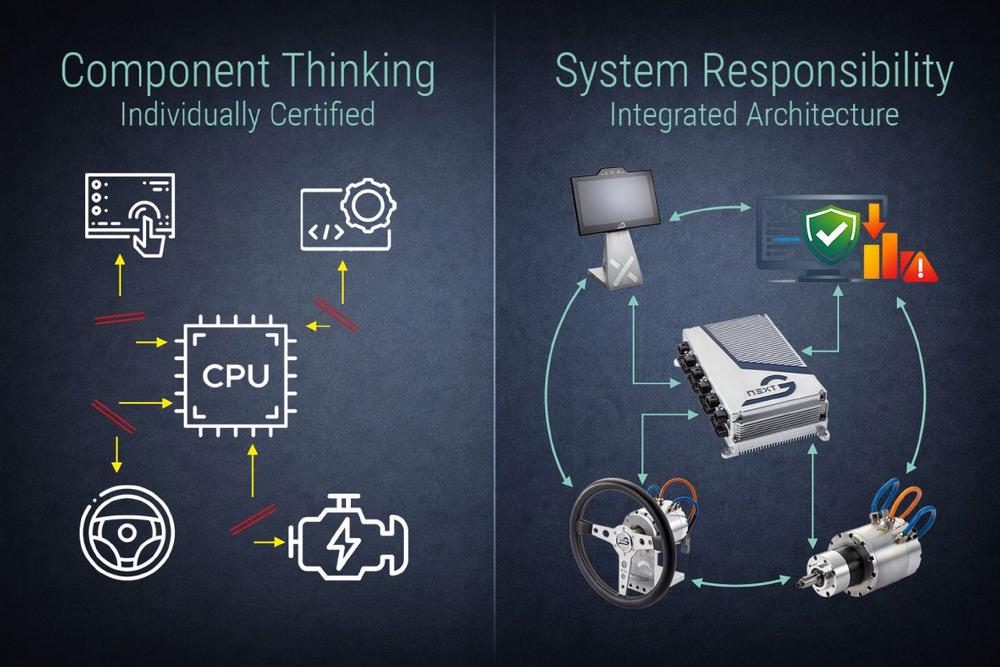
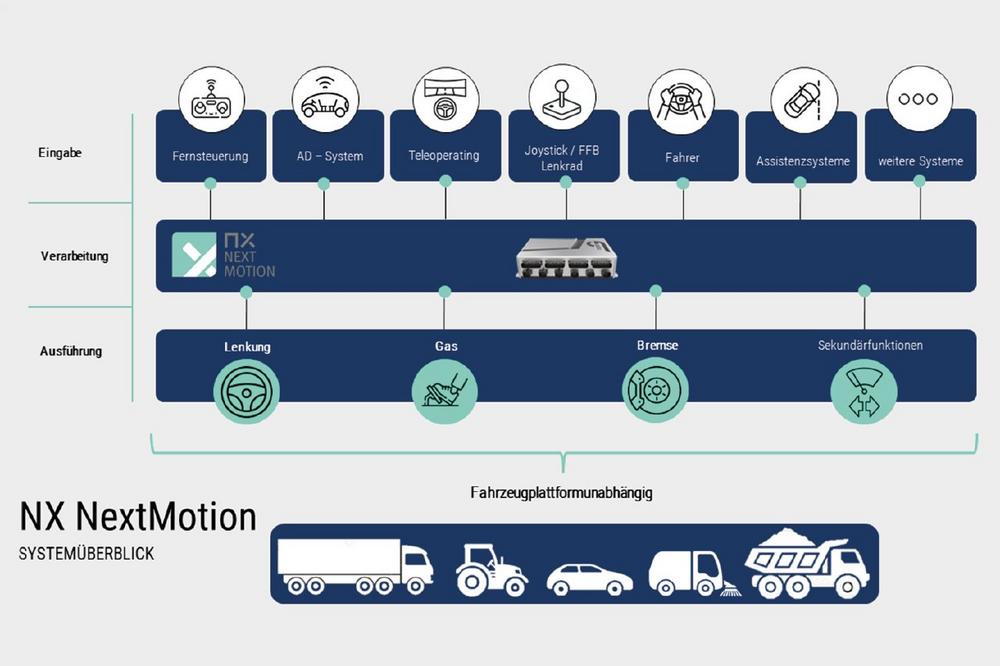
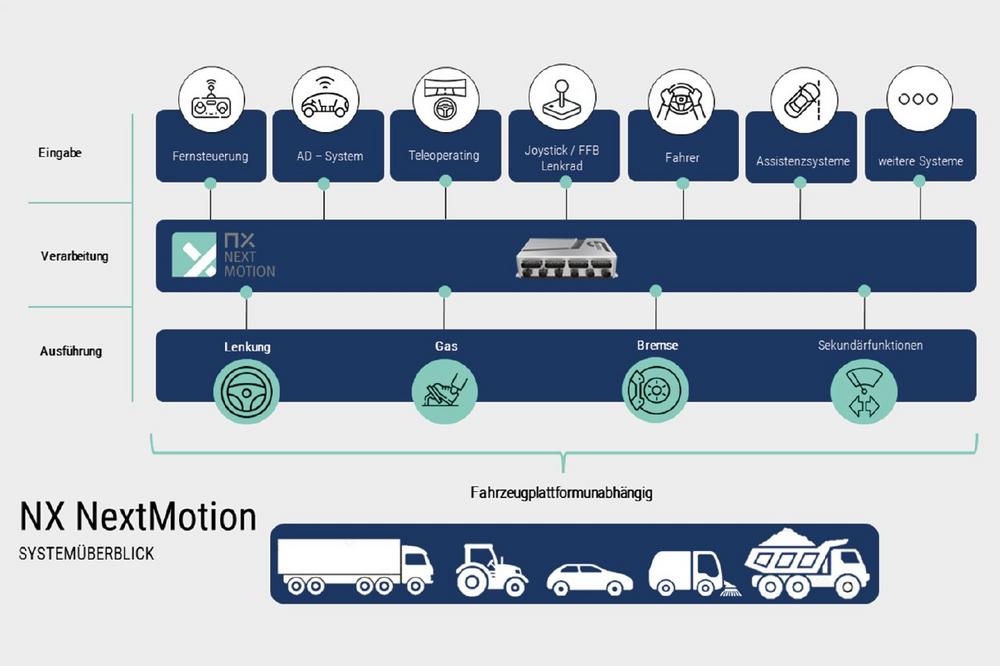
Drive-by-wire technology is considered well-established. Yet as automation increases, it becomes clear that the crucial question is not which components are used—but how they work together as a complete system. In the discussion surrounding electronic vehicle control, it is often implicitly assumed that a functioning overall system can be assembled from high-quality individual components. Steer-by-wire […]

continue reading
Arnold NextG Blogspot: Drive-by-Wire Decoded – Fahrzeugkontrolle für autonome Systeme

Drive-by-Wire-Technologie gilt als etabliert. Doch mit zunehmender Automatisierung zeigt sich: Die entscheidende Frage ist nicht, welche Komponenten eingesetzt werden – sondern wie sie als Gesamtsystem zusammenarbeiten. In der Diskussion um elektronische Fahrzeugsteuerung wird häufig implizit angenommen, dass sich ein funktionierendes Gesamtsystem aus hochwertigen Einzelkomponenten zusammensetzen lässt. Steer-by-Wire-Lenkung, Brake-by-Wire-Bremsen, redundante Steuergeräte – all diese Technologien existieren […]

continue reading

Arnold NextG Blogspot: Drive-by-Wire Decoded – Vehicle Control for Autonomous Systems

Drive-by-wire is considered established – but when it comes to vehicles that are supposed to drive autonomously or be controlled remotely, it becomes clear that it is not the individual components that are decisive, but rather the architecture of the vehicle control system. Autonomous driving is usually discussed in terms of sensor technology, AI, and […]

continue reading

Arnold NextG Blogspot: Drive-by-Wire Decoded – Fahrzeugkontrolle für autonome Systeme

Drive-by-Wire gilt als etabliert – doch dort, wo Fahrzeuge autonom fahren oder aus der Ferne gesteuert werden sollen, zeigt sich: Entscheidend ist nicht die einzelne Komponente, sondern die Architektur der Fahrzeugkontrolle. Autonomes Fahren wird meist über Sensorik, KI und Rechenleistung diskutiert. Eine zentrale Voraussetzung bleibt dabei oft im Hintergrund: die sichere Kontrolle von Fahrzeugbewegung. Elektronische […]

continue reading

Arnold NextG Blogspot: The stakeholder map – Who builds, regulates, and operates autonomous mobility

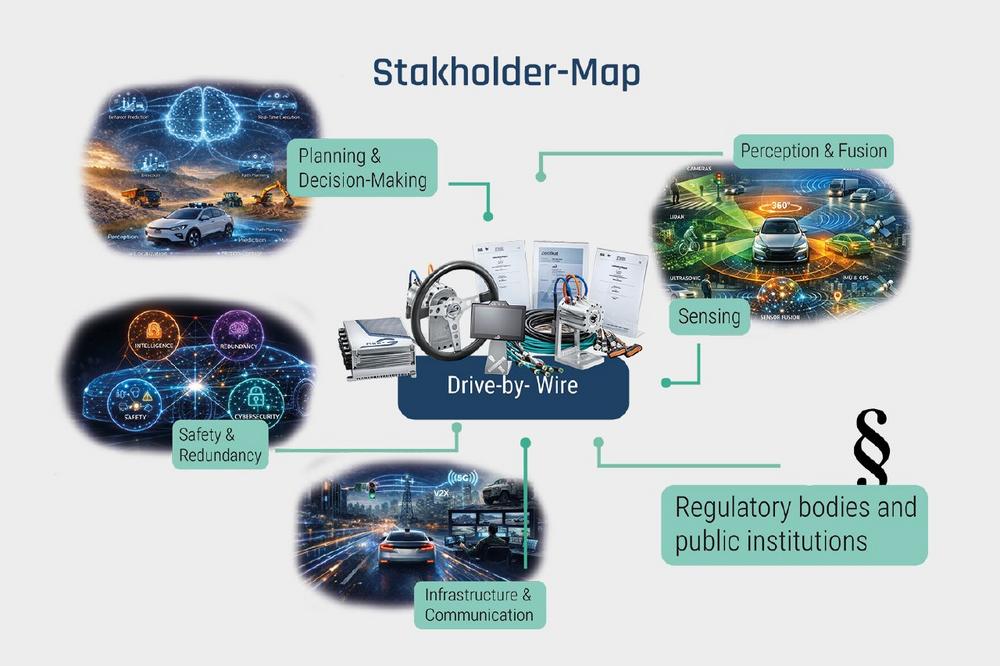
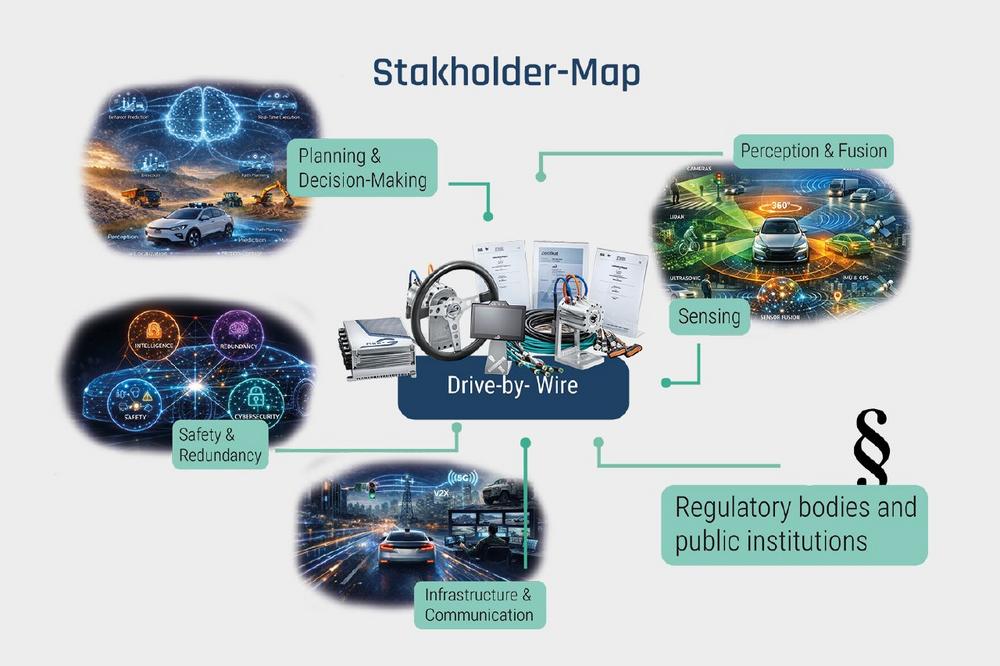
Autonomous mobility does not happen in isolation. Behind every driverless vehicle is a network of players with clearly defined roles, responsibilities, and regulatory requirements. For OEMs and Tier 1 suppliers, this means that autonomy is not a feature, but rather a system cooperation. The central question is therefore no longer: Who builds the vehicle? But […]

continue reading

Arnold NextG Blogspot: Die Stakeholder-Landkarte – Wer autonome Mobilität baut, reguliert und betreibt

Autonome Mobilität entsteht nicht im Alleingang. Hinter jedem fahrerlosen Fahrzeug steht ein Netzwerk aus Akteuren mit klar definierten Rollen, Verantwortlichkeiten und regulatorischen Vorgaben. Für OEMs und Tier-1-Zulieferer bedeutet das: Autonomie ist kein Feature, sondern eine Systemkooperation. Die zentrale Frage lautet daher nicht mehr: Wer baut das Fahrzeug? Sondern: Wer verantwortet welche Ebene im Gesamtsystem? OEMs […]

continue reading

Arnold NextG Blogspot: Focus on industries – How autonomy is redefining industry-specific mobility

Autonomous mobility is not a universal solution. Requirements, regulatory frameworks, and risk profiles differ fundamentally depending on whether a vehicle operates in city traffic, at a port terminal, in a mine, or in military service. For OEMs and Tier 1 suppliers, this means that autonomy is not a product, but an adaptable system concept. While […]

continue reading

Arnold NextG Blogspot: Branchen im Fokus – Wie Autonomie branchenspezifische Mobilität neu definiert

Autonome Mobilität ist keine universelle Lösung. Anforderungen, regulatorische Rahmenbedingungen und Risikoprofile unterscheiden sich fundamental – je nachdem, ob ein Fahrzeug im Stadtverkehr, auf einem Hafenterminal, in einer Mine oder im militärischen Einsatz operiert. Für OEMs und Tier-1-Zulieferer bedeutet das: Autonomie ist kein Produkt, sondern ein anpassbares Systemkonzept. Während die technologischen Grundpfeiler – Wahrnehmung, Planung, Konnektivität […]

continue reading

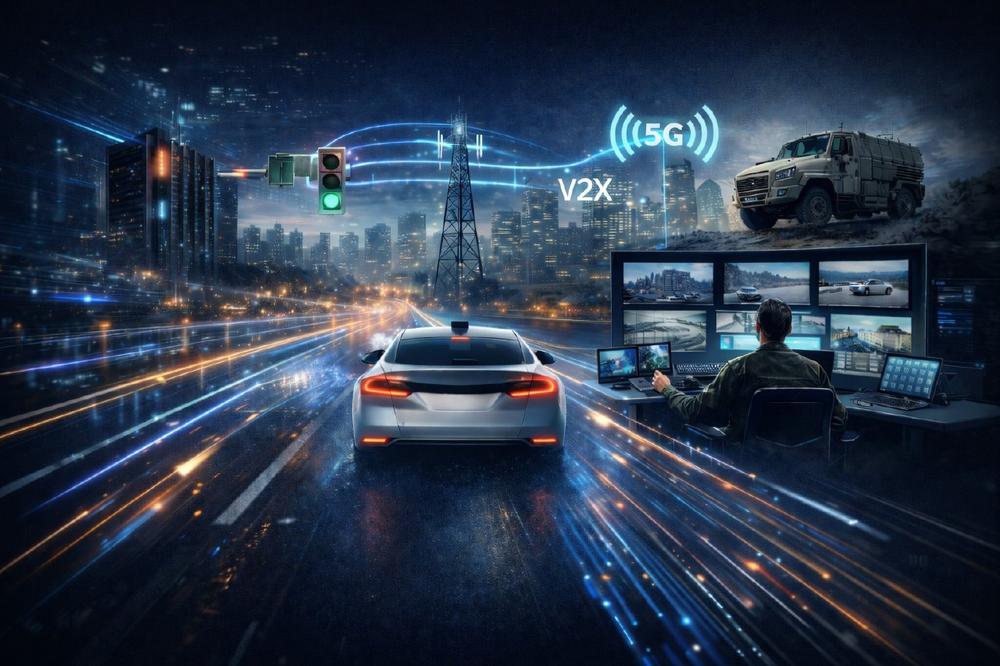
Arnold NextG Blogspot: Infrastructure, Connectivity & Teleoperation – The invisible backbone of autonomous systems

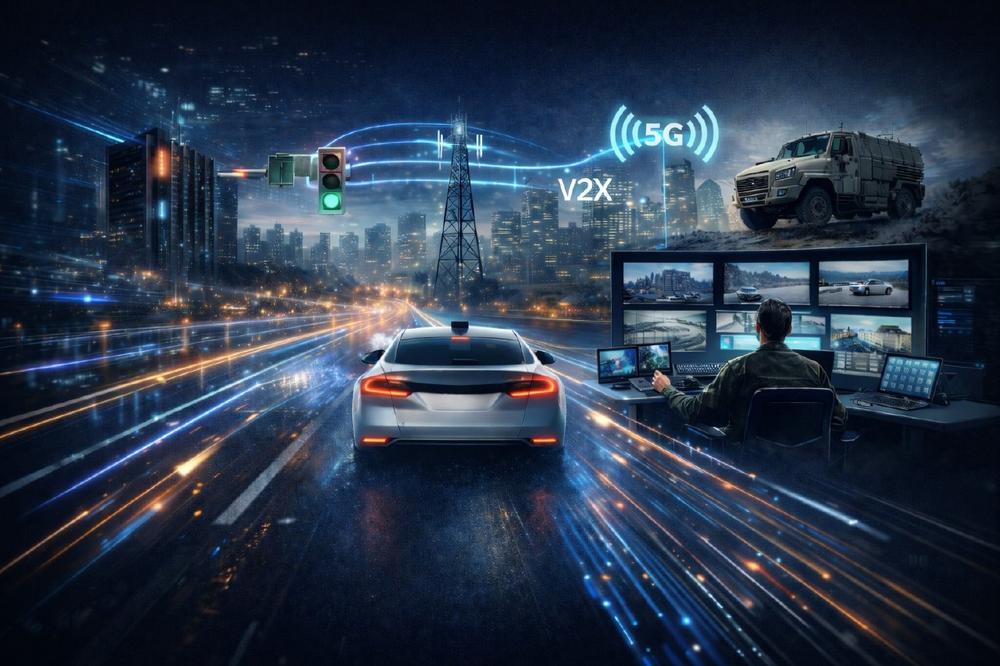
When people talk about autonomous driving, the focus is usually on vehicles, algorithms, and sensor technology. But autonomy does not arise in isolation within the vehicle. It is the result of a networked ecosystem of digital infrastructure, communication networks, map services, edge computing power, and control center architecture. Without this foundation, even the most powerful […]

continue reading

Arnold NextG Blogspot: Infrastruktur, Konnektivität & Teleoperation – Das unsichtbare Rückgrat autonomer Systeme

Wenn über autonomes Fahren gesprochen wird, stehen meist Fahrzeuge, Algorithmen und Sensorik im Mittelpunkt. Doch Autonomie entsteht nicht isoliert im Fahrzeug. Sie ist das Ergebnis eines vernetzten Ökosystems aus digitaler Infrastruktur, Kommunikationsnetzen, Kartenservices, Edge-Rechenleistung und Leitstellenarchitektur. Ohne dieses Fundament bleibt selbst das leistungsfähigste autonome System operativ eingeschränkt. Internationale Fachgremien wie ASAM betonen in aktuellen Veröffentlichungen, […]

continue reading