Digital Network of Knowledge: Senckenberg Joins the Biodiversity Heritage Library

The Senckenberg Gesellschaft für Naturforschung has joined the international consortium of the Biodiversity Heritage Library (BHL). As a result, the historical works and publications on biodiversity preserved in the Senckenberg libraries will be systematically digitized and integrated into the globally used open-access infrastructure for biodiversity-related literature. Until now, much of this knowledge – including elaborately […]

continue reading

A Bite at the Title: The Vampire Snail is the “International Mollusc of the Year 2026”

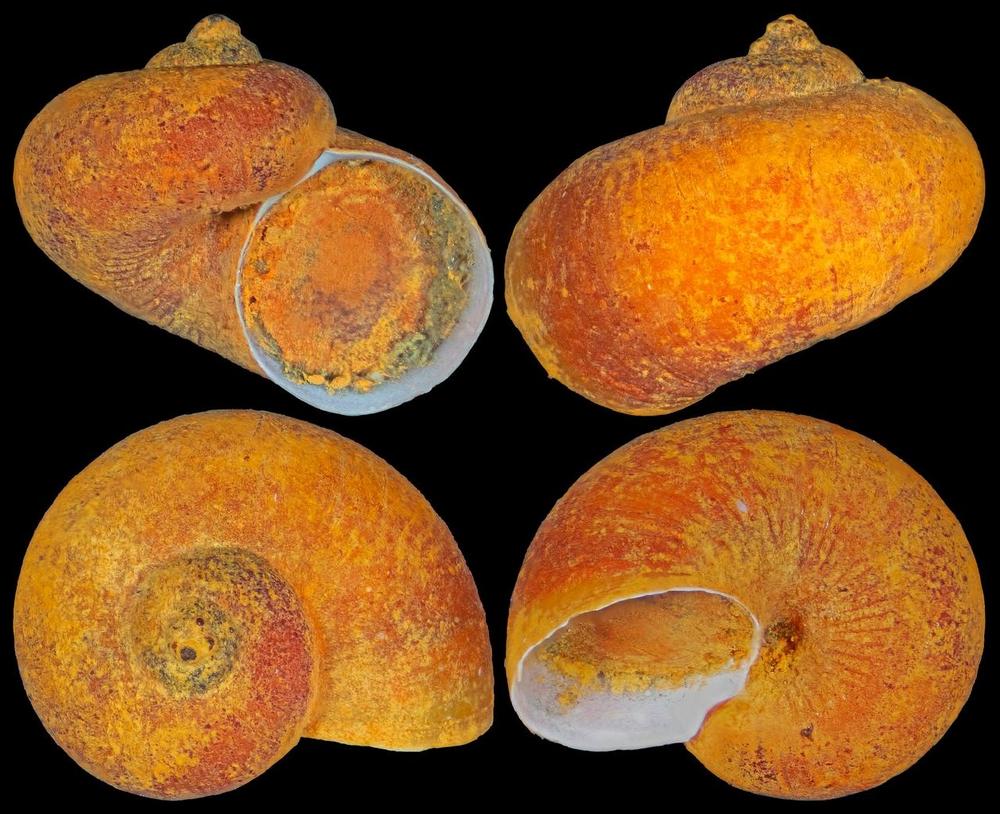
The Mediterranean vampire snail Cumia intertexta has been named the “International Mollusc of the Year 2026.” In a public online vote, the marine snail—which feeds on fish blood—received the most clicks, beating out two bivalves and two other snails that had also reached the final round. The joint initiative by the Senckenberg Society for Nature […]

continue reading

From the Pampas to Patagonia: DNA Reveals South America’s Human History

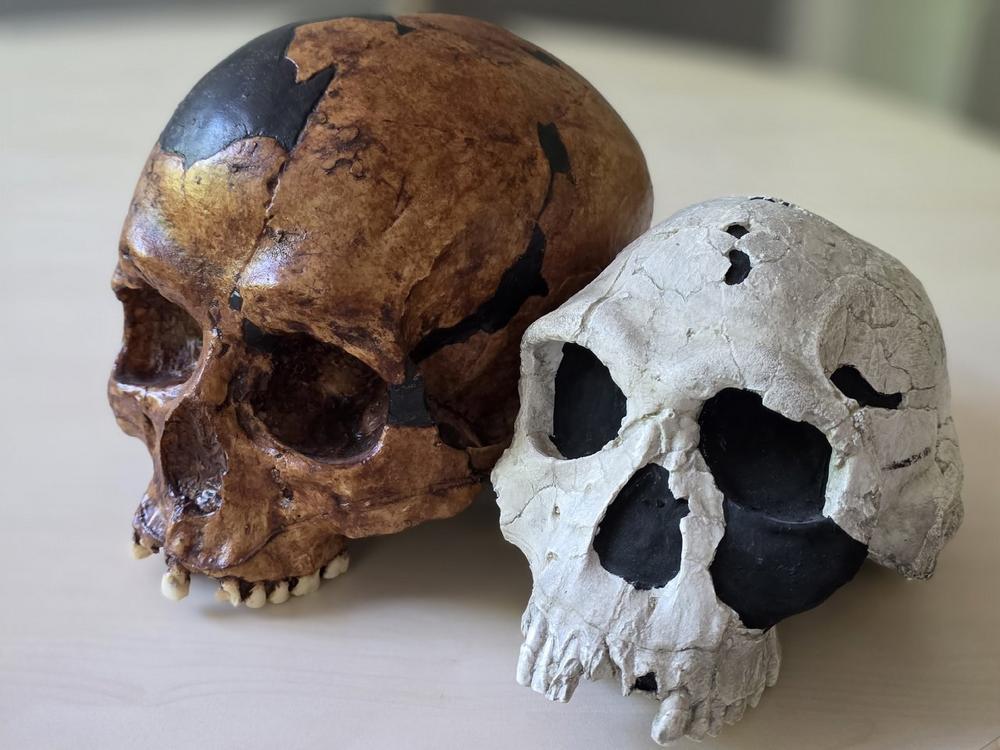
A new genetic study shows that cultural diversity in the so-called Southern Cone – the roughly triangular southernmost part of South America – was strongly influenced by extensive human migration. An international research team led by the Senckenberg Centre for Human Evolution and Palaeoenvironment at the University of Tübingen and involving several institutions in South […]

continue reading

Vote Now: Who will be Mollusc of the Year 2026?

Three snails, two bivalves, one title. Starting today, all mollusc fans are invited to visit https://sgn.one/imoy2026 to help decide which of the five finalist species will receive the title of “International Mollusc of the Year 2026.” This is the sixth time that the Senckenberg Gesellschaft für Naturforschung and Unitas Malacologica – the international society for mollusc research […]

continue reading

Return to Nature: 27 Leopard Tortoises Released into the Wild in South Africa

A team of South African and German researchers led by Senckenberg scientist Dr. Melita Vamberger and Dr. Adrian J. Armstrong (Ezemvelo KZN Wildlife) has used a genetic reference database to trace the origins of leopard tortoises that were confiscated and kept in rescue stations. Despite their IUCN status of “least concern (LC),” the tortoises face […]

continue reading

Blueleg, Colourleg, and Cave Midget: Nine New Spider Species Discovered

The limestone caves of Laos are hotspots of biodiversity: Senckenberg arachnologist Dr. Peter Jäger and his colleague Liphone Nophaseud from the National University of Laos have discovered nine previously unknown spider species there. They belong to three genera and two families, including the first record of the family Ochyroceratidae for Laos. The new descriptions encompass […]

continue reading

Tracing the Venom: Genetic Material of a Living Fossil Decoded

With the almost complete decoding of the genome of the rare earless monitor lizard, a Senckenberg team of taxonomists and genomicists is providing new, fundamental insights into the early evolutionary history of the scaled reptiles. The lizard, which is regarded as a “living fossil” and is found exclusively on Borneo, is considered a key genetic […]

continue reading

Tiny, Blind, and no Skull Roof: New Fish Species Discovered from a Well

An international team led by Senckenberg researcher Dr. Ralf Britz has made an extraordinary discovery in Northeast India when they found an as yet undescribed species of fish in a well. The blind loach with a length of just 20 millimeters, now described as Gitchak nakana in the journal “Scientific Reports,” is characterized by almost non-existent eyes, […]

continue reading

Nature Conservation Must Not Stop at the Forest Edge: Grasslands are Vanishing Around the World

Along with forests, grasslands and wetlands are also being converted to cropland and pasture at an increasing rate around the world – often for livestock farming and the export of agricultural products. An international team led by Senckenberg researchers has now analyzed for the first time where, for what purpose, and how quickly natural non-forest […]

continue reading

From Brown to Green: Ground Personnel on Permanent Duty

Soil food webs conduct most of the energy in terrestrial ecosystems. Temperate and tropical forests are home to different communities of soil animals, but to date it was not clear how these differences specifically affect the structure and functioning of soil food webs in these large climate zones. In a new study, published in the […]

continue reading