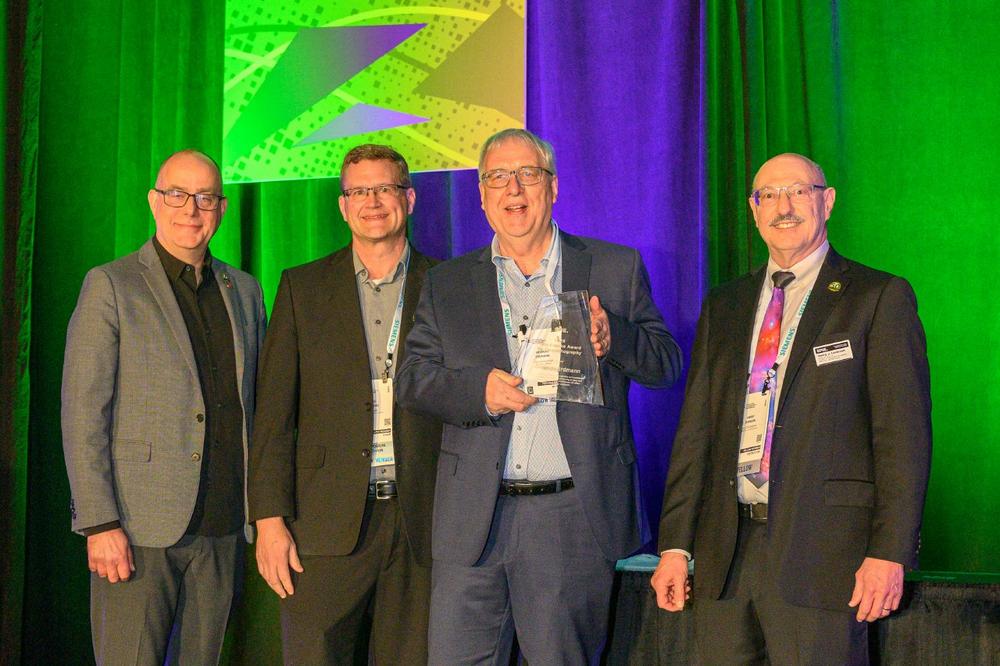
Dr. Andreas Erdmann from Fraunhofer IISB Receives SPIE Frits Zernike Award for Microlithography

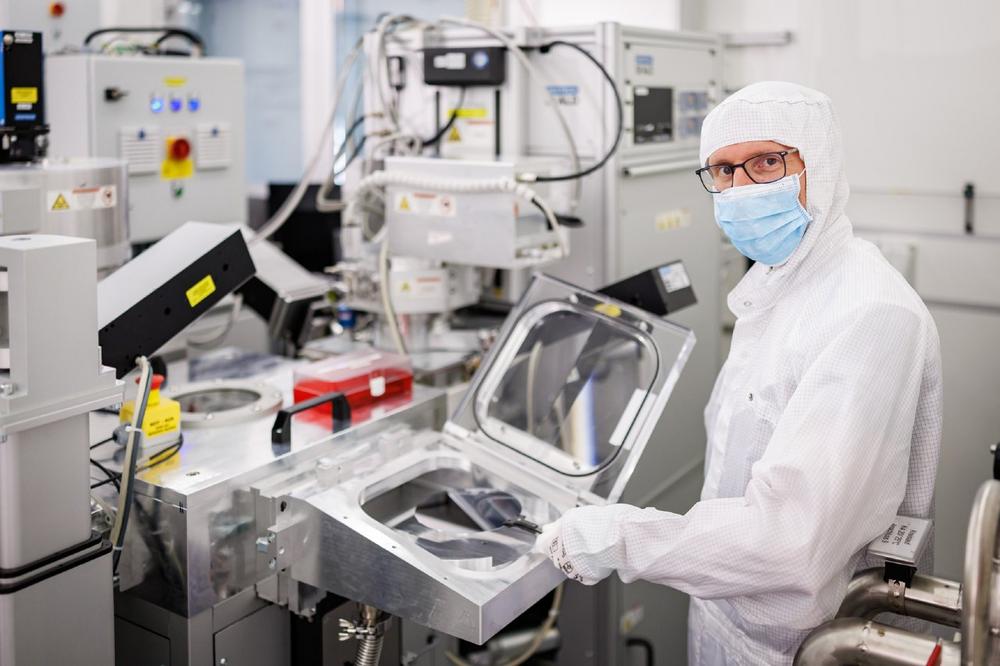
Dr. Andreas Erdmann, head of the Computational Lithography and Optics group at Fraunhofer IISB for decades and SPIE (International Society for Optics and Photonics) Fellow since 2016, has been honored with the 2026 SPIE Frits Zernike Award for Microlithography. The award ceremony took place on February 23, 2026, at the SPIE Advanced Lithography + Patterning […]

continue reading
Mikrophotonik trifft Mikroelektronik: Atomlagenprozessierung für quantenphotonische Schaltkreise auf Siliziumkarbidbasis

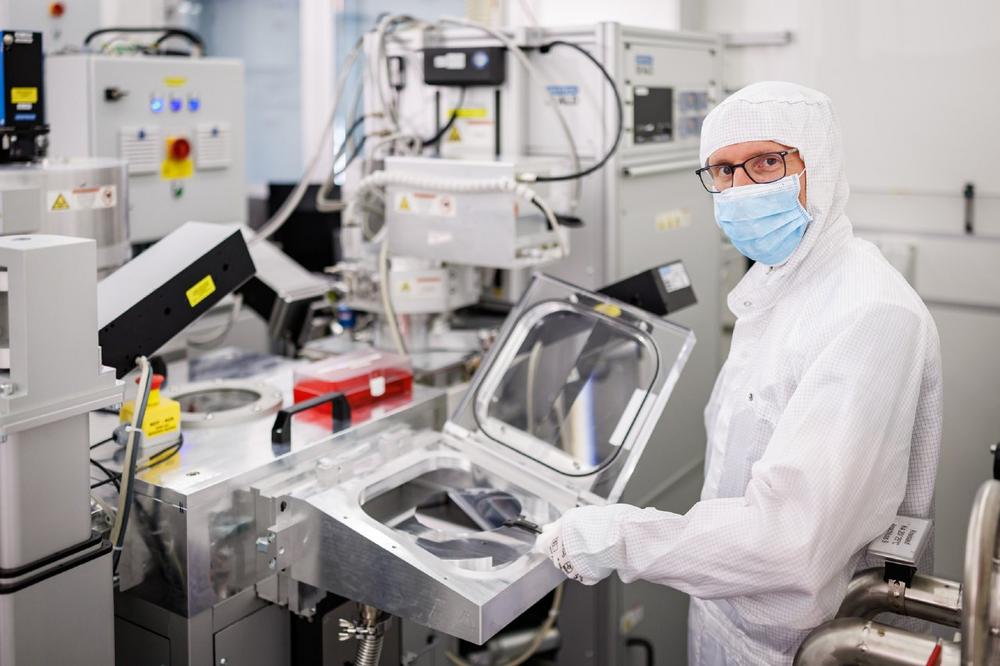
Siliziumkarbid (SiC) ist ein vielversprechendes Materialsystem für photonische integrierte Schaltungen (PICs) und miniaturisierte Festkörper-Quantensysteme. Im Projekt ALP-4-SiC –Atomlagenprozessierung für SiC für Anwendungen in der Photonik und Quantenkommunikation – entwickeln Forschende des Max-Planck-Instituts für die Physik des Lichts (MPL) und des Fraunhofer-Instituts für Integrierte Systeme und Bauelementetechnologie IISB gemeinsam Basistechnologien für die Herstellung hocheffizienter photonischer Schaltkreise. […]

continue reading

Microphotonics meets microelectronics: Atomic layer processing for silicon carbide-based quantum photonic circuits

Silicon carbide (SiC) is a promising material platform for photonic integrated circuits (PICs) and miniaturized solid-state quantum systems. In the ALP-4-SiC project – Atomic Layer Processing for SiC for Applications in Photonics and Quantum Communication – researchers from the Max Planck Institute for the Science of Light (MPL) and the Fraunhofer Institute for Integrated Systems […]

continue reading

Labor statt Klassenzimmer: Schulkinder der Montessori Schule Herzogenaurach erforschen Kristalle am Fraunhofer IISB

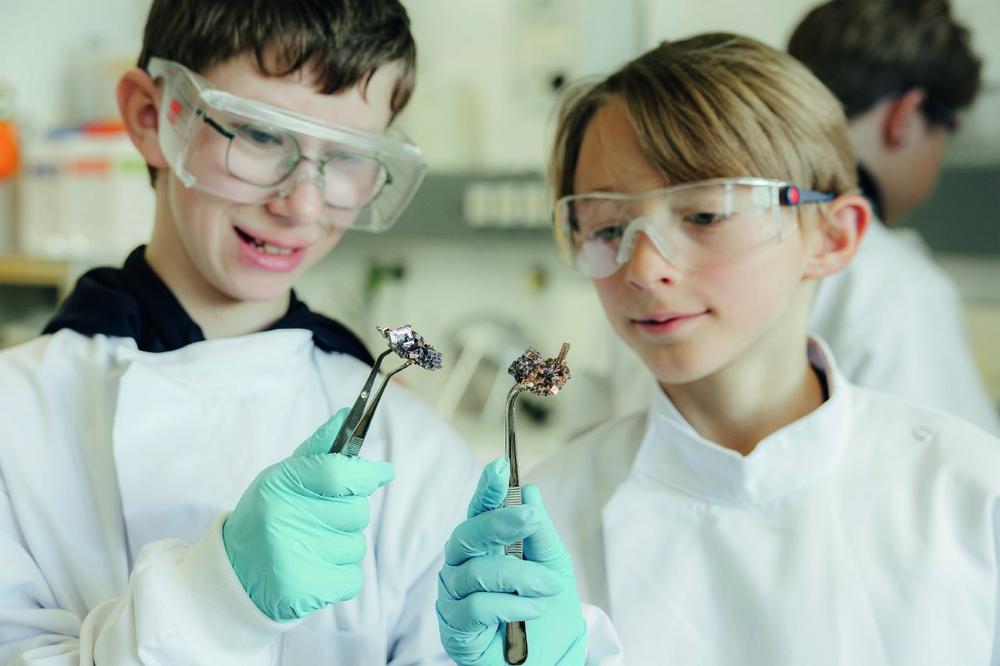
Im Rahmen der MINT-Projektwoche »Kristalle« steht für die Schülerinnen und Schüler der Montessori Schule Herzogenaurach echte Forschung auf dem Stundenplan: Sie schlüpfen in Laborkittel, Schutzbrillen und Handschuhe und tauchen voll in die Welt dieser spannenden Werkstoffe ein. Halbleiter-Kristalle in Mikrochips sind die Basis unserer modernen Elektronik und begegnen uns im Alltag viel häufiger, als wir […]

continue reading

Neue Aluminium-Ionen-Zellchemie auf dem Batterieprüfstand

Für eine sichere und klimaneutrale Energieversorgung sind effiziente und umweltverträgliche Speichertechnologien wie die lithiumfreie Aluminium-Ionen-Batterie (AIB) essenziell. Im Forschungsprojekt SALSA (steht für: Entwicklung applikationsspezifischer Aluminium-Ionen-Batterien unter Nutzung innovativer Passiv- und Aktivmaterialien) steht die Validierung und Weiterentwicklung der AIB im Fokus. Die Einsatzmöglichkeiten dieser neuen Zellchemie zur Netzstabilisierung werden in SALSA anhand von genormten Batterieprüfverfahren praktisch […]

continue reading

Worldwide First Battery System Employing High-Power Aluminum Ion Technology for Energy Storage

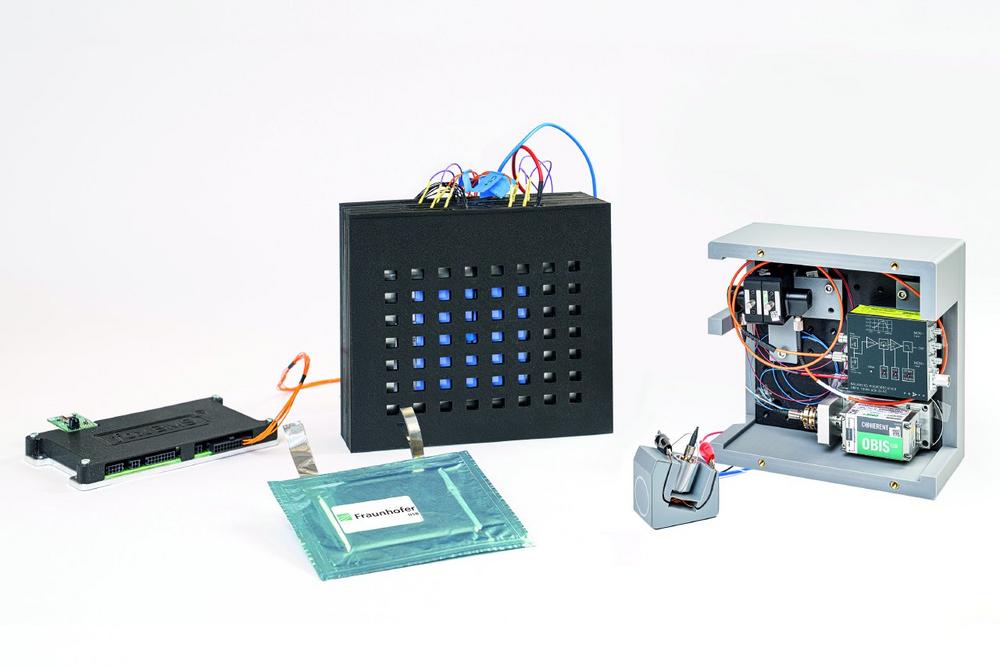
It’s a milestone for lithium-free battery technology: for the first time ever, a complete battery system demonstrator based on aluminum-graphite-dual-ion batteries (AGDIB) has been realized. This proves the stability of the new battery cell chemistry not only in a laboratory environment, but also in a more realistic scenario. The rechargeable AGDIB battery cells are a […]

continue reading

Kontaktlose Energieübertragung für Elektrofahrzeuge – E|Road-Center als neuer Forschungsstandort in Franken

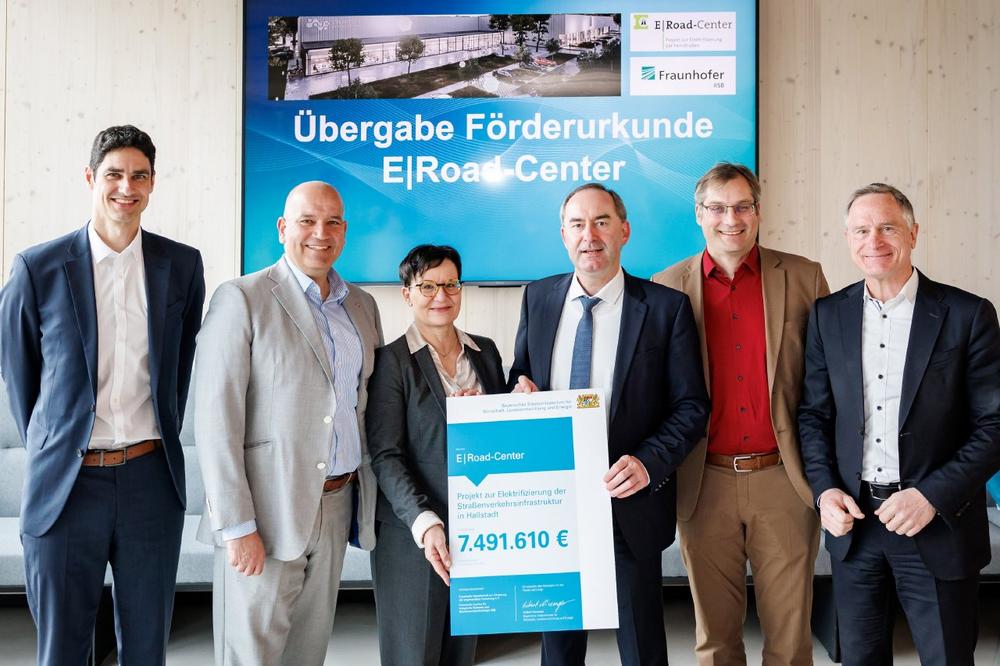
Der bayerische Wirtschaftsminister Hubert Aiwanger hat am 10. April 2025 das neue Technologiezentrum des Fraunhofer IISB zur Erforschung kontaktloser Energieübertragung für elektrische Fahrzeuge eröffnet und die Förderurkunde übergeben. Das E|Road-Center ist ein weiterer Baustein im Hightech-Spektrum des Cleantech Innovation Parks in Hallstadt bei Bamberg. Ein bedeutender Meilenstein für den Forschungsstandort Bamberg und die Metropolregion Nürnberg: […]

continue reading

Thin Chips and Robust Substrates – Key Technologies for Cost- Efficient Silicon Carbide Power Electronics

Silicon carbide (SiC) provides considerable technical advantages for power electronics – however, the costs are still a drawback. In the »ThinSiCPower« research project, a consortium of Fraunhofer Institutes is developing key technologies to reduce material losses and device thickness while increasing the thermomechanical stability of the assembled SiC chips. The savings achieved are expected to […]

continue reading

Dünne Chips und robuste Substrate – Schlüsseltechnologien für eine kosteneffiziente Siliziumkarbid-Leistungselektronik

Siliziumkarbid bietet für die Leistungselektronik erhebliche technische Vorzüge – ein Nachteil sind nach wie vor die Kosten. Im Forschungsprojekt »ThinSiCPower« entwickelt ein Konsortium von Fraunhofer-Instituten Schlüsseltechnologien, mit denen Materialverbrauch und Bauelementdicke reduziert und gleichzeitig die thermomechanische Stabilität der aufgebauten SiC-Chips erhöht wird. Die erzielten Einsparungen sollen dazu beitragen, die Markterschließung für effiziente SiC-Leistungselektronik weiter zu […]

continue reading

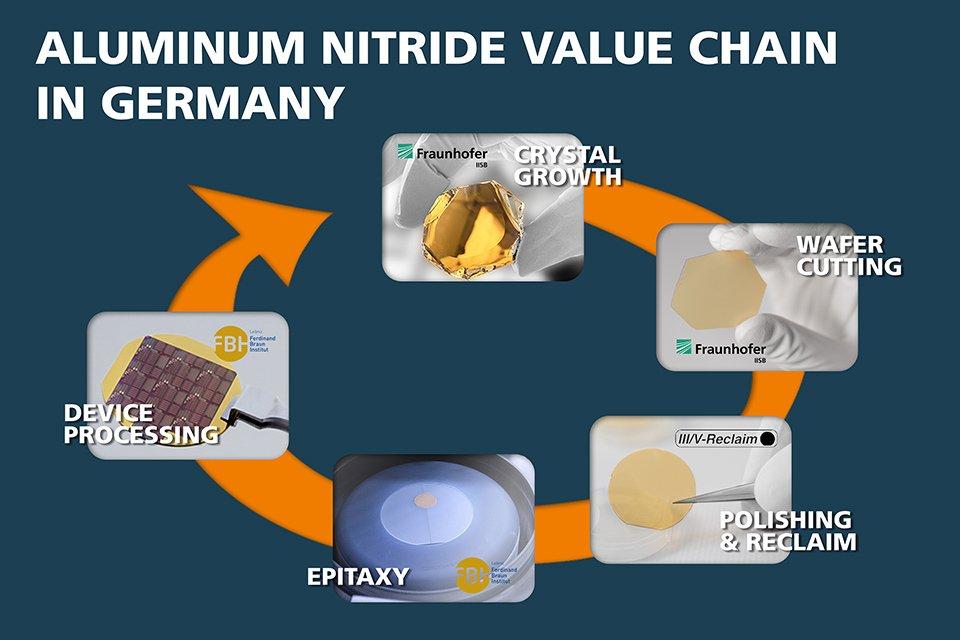
Supply chain for power electronic devices based on novel semiconductor material aluminum nitride – made in Germany

Electromobility, energy supply, automation, and broadband communication – especially in the light of digital transformation and climate change – are opening up new opportunities for European research to take lead in international competition. Semiconductor technology in particular currently offers major levers not only for securing technological sovereignty in the field of power electronics, but also […]

continue reading