Why nebulizer output rates matter in the VITROCELL Cloud System

Only when output rates are well controlled can we ensure that the same amount of aerosol reaches all positions in the system, enabling homogeneous deposition and robust, reproducible exposure conditions. To support this, our systems are equipped with an internal logger that tracks nebulizer performance over time. This allows users to monitor nebulizer condition throughout its […]

continue reading

What if your test substance is rare and you have only microliters to work with?

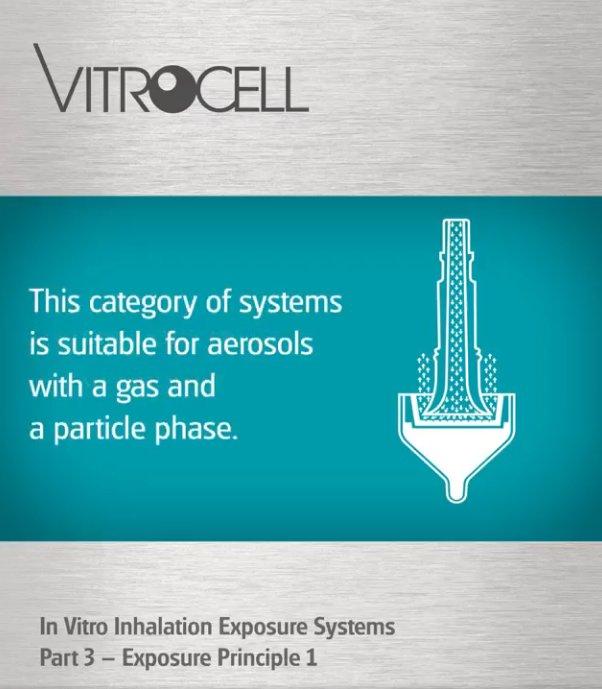
Single Droplet Sedimentation Systems are designed for dose-controlled, spatially uniform deposition of liquid aerosols at the Air–Liquid Interface. This exposure principle is ideal when: you work with liquid samples or suspensions materials are scarce or highly valuable precise dose control is required short, repeatable exposures are sufficient Aerosols are generated from small solution or suspension […]

continue reading

Again Breaking News from NIH for biomedical research

The U.S. The National Institutes of Health (NIH) has announced an investment of more than $150 million to advance human‑based research methods and reduce reliance on animal models. This funding represents the first awards under the Complement Animal Research in Experimentation (Complement‑ARIE) program, focused on developing, validating, and standardizing new approach methodologies (NAMs) — including advanced in vitro and […]

continue reading

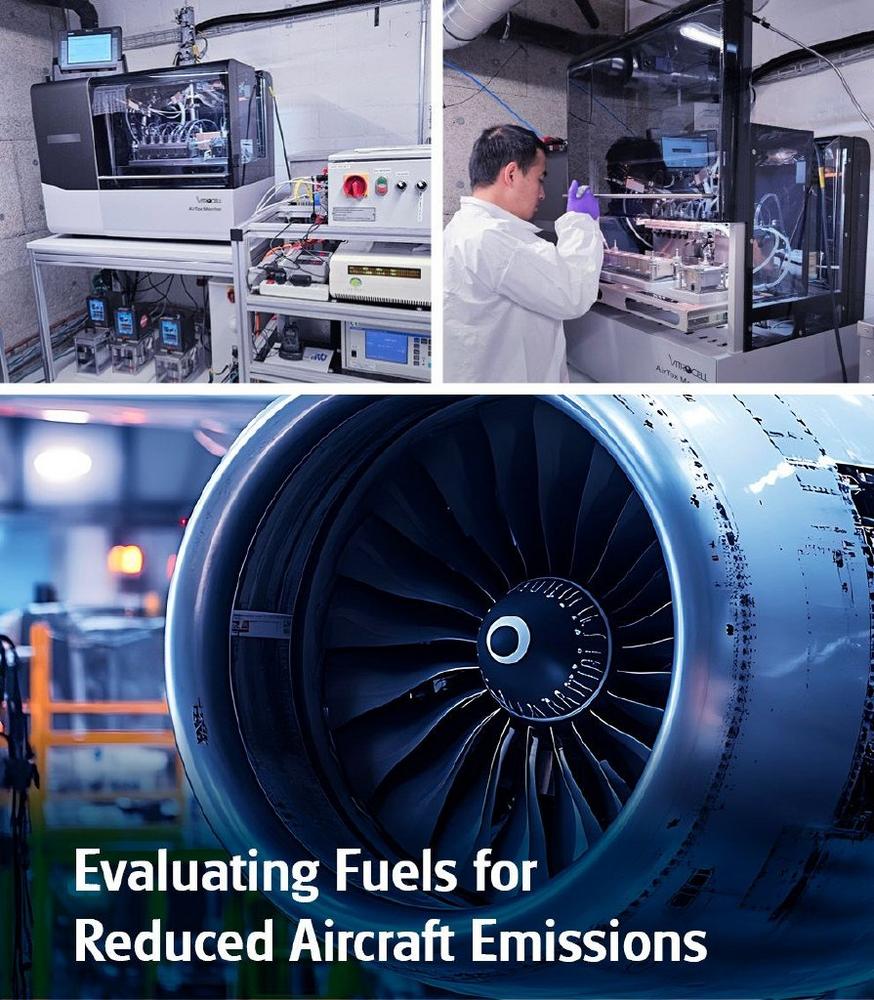
New Video: Advancing Engine Emissions Research at SR Technicss

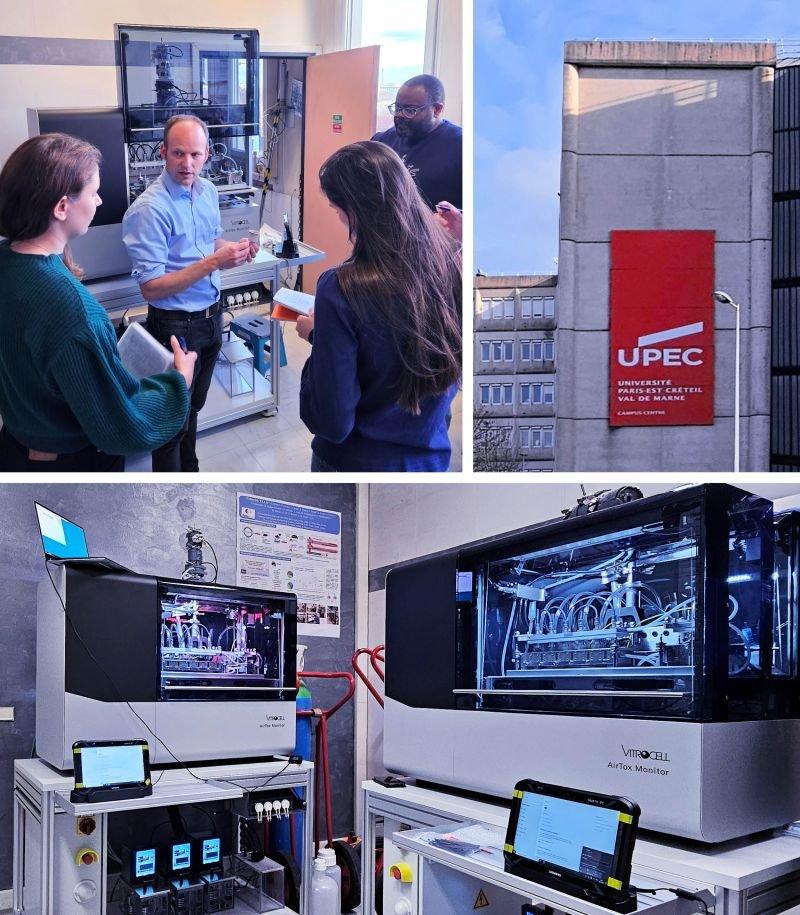
Following the successful installation of the VITROCELL AirTox Monitor at the SR Technics Group test facilities, we’re excited to see it already fully integrated into ongoing emissions research. Watch the video: https://lnkd.in/de49AXcG  In collaboration with the Adolphe Merkle Institute and ZHAW School of Engineering, advanced in vitro exposure at the air–liquid interface is now being […]

continue reading

Why suspend a powder if you don’t have to?

Dry Powder Exposure Systems enable the direct aerosolization of dry powders — without first transferring them into suspension. This exposure principle is especially valuable when:  only very small quantities of material are available test substances should be evaluated in their native particulate form maximum material efficiency is required By aerosolizing dry powders directly into the […]

continue reading

What makes VITROCELL unique?

It is not one single feature, one product, or one technical specification.  It is the combination of things that matter when in vitro exposure systems are used in real research environments: Innovation  Solutions tailored to specific research questions, from aerosol generation to exposure and dosimetry. Reliability  Systems designed for long-term use, stable performance, and demanding laboratory […]

continue reading

How do you get NAMs-ready, human relevant data on anesthetic safety?

The debate on anesthetic effects in the developing brain has been stuck on mixed and often non-human data. FDA/NCTR used neural stem cell models and trusted VITROCELL SC3 Exposure Systems to keep xenon or desflurane, O₂, and CO₂ rock steady during long exposures. When the atmosphere stays steady, the biology speaks. Neuroprotection revealed: In human neurons, […]

continue reading